This post contains affiliate links. If you buy through them, I may earn a small commission at no extra cost to you. As an Amazon Associate I earn from qualifying purchases. Research checked October 2026. These are research-based recommendations; I have not personally used every seat listed.
The best infant car seat fits your baby, your vehicle, and the way you actually travel. As a mom of three, I care about easy installation and everyday use as much as the feature list. These six seats are where I would start, with other popular options below.
Shopping for the stroller too? My stroller buying guide can help you narrow down a compatible combination.
Jump to what you need:
- Infant Car Seats: Six Picks at a Glance
- Which Infant Car Seats Are Parents Choosing?
- What to Consider
- A Closer Look at the Six Picks
- How Do Their Crash-Test Scores Compare?
- The New Side-Impact Standard Starts December 5, 2026
- Other Popular Options Worth Comparing
- Before You Buy: Fit, Limits and Everyday Use
- See the Seats Side by Side
Infant Car Seats: Six Picks at a Glance
| Seat | Why compare it |
|---|---|
| Cybex Cloud G Pro | Premium all-rounder |
| Chicco KeyFit Max ClearTex | Practical everyday pick |
| UPPAbaby Aria V2 | Lightweight UPPAbaby option |
| Clek Liing | Compact-car shortlist |
| Britax Willow S | Midrange alternative |
| Graco SnugRide Lite LX | Budget pick |
Which Infant Car Seats Are Parents Choosing?
Babylist’s 2026 most-registered infant-seat list includes the Nuna PIPA RX, Doona, Chicco KeyFit Max, UPPAbaby Aria V2, UPPAbaby Mesa V3, Joie Mint, and Graco SnugRide SnugFit. That is a useful snapshot of what Babylist parents want, not a nationwide sales ranking or a safety ranking. See Babylist’s registry data.
What to Consider
Budget. Price mostly buys convenience, not crash performance. Every seat sold here passes the same federal testing, so the extra money usually goes to easier installation, lighter weight and nicer fabric.
Base features. A load leg and an anti-rebound bar both cut how much the seat moves in a crash. Rigid LATCH makes a correct install much harder to get wrong, which matters more than spec sheets suggest.
Weight and portability. Look up the weight of the carrier by itself, then remember you’ll be lifting it with a baby in it. Two pounds sounds like nothing in a product listing and feels like a lot by week three.
Stroller compatibility. Confirm the exact adapter for your stroller before you buy either piece. Same brand doesn’t always mean it clicks straight in.
Special situations. Preemie fit, installing without the base for rideshares and taxis, and fitting three across a back seat each narrow the field fast. Sort those out first if they apply to you.
A Closer Look at the Six Picks
Cybex Cloud G Pro: Premium all-rounder

Best if: the budget is open and you want the full safety feature set, already tested against the new side-impact standard.
The priciest seat on this list by a wide margin, and the one I would point to if money is not the deciding factor. It carries the whole premium safety package: load leg, anti-rebound base, rigid LATCH and built-in side-impact protection. It has also already been tested against the updated federal side-impact standard described below, which not every seat on the market has. The detail you would actually notice day to day is the no-rethread harness, which lets you adjust the straps as your baby grows without pulling the seat apart.
Worth knowing before you commit: it is not included in BabyGearLab’s September 2026 comparison, so there is no independent crash score for it in the table above. It weighs about 12 pounds, so it is not the one to choose if you expect to carry the seat any real distance. And it has no belt lock-off, which means a seat-belt installation needs a little more attention to get right.
Chicco KeyFit Max ClearTex: Practical everyday pick

Best if: you want the easiest correct install and a seat that just works every day.
We had the KeyFit 30 and loved it. The KeyFit Max is the current version I would compare: it is a popular registry choice with straightforward installation and a no-rethread harness. Check adapters for your exact stroller. Its crash-test score was midpack in the comparison below, so I would choose it for its overall practicality rather than call it the safest seat.
UPPAbaby Aria V2: Lightweight UPPAbaby option

Best if: you will be lifting the seat in and out of the car constantly.
Worth comparing with the Mesa if you plan to carry the seat often. UPPAbaby lists a lightweight carrier, a no-rethread harness, and a base with a load leg. Confirm compatibility with your exact stroller. Choosing an UPPAbaby stroller does not automatically mean the Mesa is your best car-seat option.
Clek Liing: Compact-car shortlist

Best if: you drive a small car, or you need a rear-facing seat to fit behind a tall driver.
A good one to investigate when space is tight. Babylist names it a pick for smaller cars, and its rigid-LATCH base and load leg are useful features to compare. It also performed well in the independent testing below. The price is high, and compact does not guarantee a fit: check the seat in your actual vehicle.
Britax Willow S: Midrange alternative

Best if: you want the strongest crash-test number on this list without paying premium prices.
This deserves consideration beyond families buying a Britax stroller. BabyGearLab found a useful balance of crash-test performance, installation, and price. The handle and some everyday adjustments were less impressive in its testing. Confirm the exact seat, base and stroller combination before ordering.
Graco SnugRide Lite LX: Budget pick

Best if: the budget is firm and you still want a seat that tested well.
An affordable, relatively light option with a respectable result in the crash-test comparison below. The compromise is installation and everyday convenience: BabyGearLab found it harder to install and use than several alternatives. Do not confuse this model with the SnugFit or SnugFit DLX, which are different seats.
How Do Their Crash-Test Scores Compare?
All infant car seats pass the same crash testing requirements. The table below shows BabyGearLab’s crash-test analysis scores out of 10, from its September 2026 comparison. These are not its overall product scores, government ratings or a prediction of injury risk. The scores apply to the exact models tested; do not transfer them to another generation, similarly named seat or different base.
| Model tested | Crash-test analysis /10 |
|---|---|
| Nuna PIPA RX | 9.0 |
| Romer Juni | 8.8 |
| Nuna PIPA Aire (not Aire RX) | 8.7 |
| Britax Willow S | 7.8 |
| UPPAbaby Aria V2 | 7.6 |
| Clek Liing | 7.5 |
| Graco SnugRide Lite LX | 7.4 |
| Chicco KeyFit Max ClearTex | 6.9 |
| UPPAbaby Mesa V3 | 5.1 |
| Doona | 4.6 |
Source: BabyGearLab’s independent crash testing and methodology. Its published comparison does not include all popular infant car seats. A lower comparative score does not mean a seat failed federal requirements. Every seat on the market passed the same federal requirements.
What about five-star safety ratings? NHTSA’s car-seat stars rate ease of use, not crash protection. All U.S. seats must meet applicable federal standards. The right choice still needs to fit your child and vehicle and be installed and used correctly on every ride. Read what NHTSA’s ratings mean.
New Side-Impact Standard Starts December 5, 2026
Federal car seat requirements are being updated. A standard called FMVSS 213a adds side-impact testing to the rules, with a compliance date of December 5, 2026. Seats manufactured after that date have to pass it.
The new test uses crash setups built to mimic real side-impact collisions, along with more advanced crash-test dummies. It measures two things: whether the seat keeps its shape and holds your baby’s head inside the headrest, and whether the shell absorbs crash force and directs it away from your child. It applies to seats used by children under 40 pounds, so infant seats and convertibles are covered. Belt-positioning boosters are exempt.
If you are buying right now. Seats manufactured before the deadline are still legal to sell and still legal to use. They passed the standards that applied when they were built. But not all of them have been through side-impact testing, so if you are buying new anyway, there is a reasonable argument for picking one that already meets the updated requirement.
If you already own a seat. This is not a reason to replace it. Your current seat is fine to keep using as long as it has not expired, has not been in a crash, and is installed and used correctly. Expiration dates still matter, because materials and testing improve over time. But the new standard on its own does not make the seat in your car unsafe.
How to check a specific seat. Look for side-impact labeling on the seat and in its manual, or ask the manufacturer directly. Safe in the Seat also keeps a filterable list with a “Meets New FMVSS 213a Standards” option, which is the quickest way to check a model you are considering.
Of the six picks above, the Cybex Cloud G Pro is confirmed as already meeting the new standards. I am not publishing a pass-or-fail list for the others, because a seat missing from a third-party database has not been shown to fail anything, and I am not willing to imply otherwise about a car seat. If you want certainty on one specific model, the manufacturer is the place to get it.
Source: Safe in the Seat on the new side-impact standards.
Other Popular Options Worth Comparing
Nuna PIPA RX: A place to start if you want a premium infant seat with a load-leg base and flexible installation options. It appears on Babylist’s most-registered list and earned the highest crash-test analysis score in BabyGearLab’s September 2026 comparison. The tradeoffs are price and a harness that needs manual rethreading as baby grows.
Doona: A popular choice for its built-in stroller. If you are a frequent air traveler, this is worth a closer look. Consider it if that convenience solves a real problem for your family, but compare its weight, storage limitations and crash-test result before deciding. Popularity alone does not make it the strongest safety performer.
UPPAbaby Mesa V3: A familiar travel-system option. Compare it with the Aria V2 and any other seats approved for your stroller and adapters; the stroller brand should not make the decision for you.
Romer Juni: Worth a closer look if independent crash-test performance is a priority. Compare its fit, carrying weight and stroller compatibility before choosing.
Graco SnugRide SnugFit / SnugFit DLX: Worth comparing if you want a Graco with different installation and convenience features from the Lite LX. The Lite LX score above does not apply to these models.
Before You Buy: Fit, Limits and Everyday Use
Will this seat fit my car?
Try the fit in your vehicle. Follow both the car-seat and vehicle manuals, including instructions about front-seat contact, recline, lower anchors and load legs. There is no single front-seat-contact rule for every combination.
When does my baby outgrow an infant car seat?
Follow every outgrowth limit. A baby outgrows an infant seat when any applicable weight, standing-height or head-clearance limit is reached. Many babies outgrow the height or fit limits first, but weight still matters. Do not rely on an age estimate or assume every infant seat lasts a year.
What seat comes next after the infant carrier?
Move to a rear-facing convertible when needed. Keep your child rear-facing until they reach the rear-facing height or weight limit of their seat. Compare the next seat before the infant carrier is outgrown. NHTSA’s seat-selection guidance.
Can my baby sleep in the car seat?
Use a separate safe sleep space. At your destination, move a sleeping baby to an appropriate crib, bassinet or other approved sleep surface. Car-seat recline and stroller compatibility do not turn an infant car seat into a routine sleep space. AAP guidance on infant car-seat use.
Is it safe to buy a used car seat?
Check history and recalls. For a secondhand seat, know its full history, confirm it is within its useful life and has its required parts and labels, and follow the manufacturer’s crash-replacement instructions. Check NHTSA recalls and register your seat with its manufacturer.
How do I know the seat is installed correctly?
Not sure about installation? A certified Child Passenger Safety Technician can help check the fit and setup. Find a local check through Safe Kids Worldwide.
Back to On The Go: Car Seats, Strollers, Carriers»
Strollers»
Baby Carriers»
Contain + Entertain: Bouncers & Swings»
See the Seats Side by Side


More Essentials:
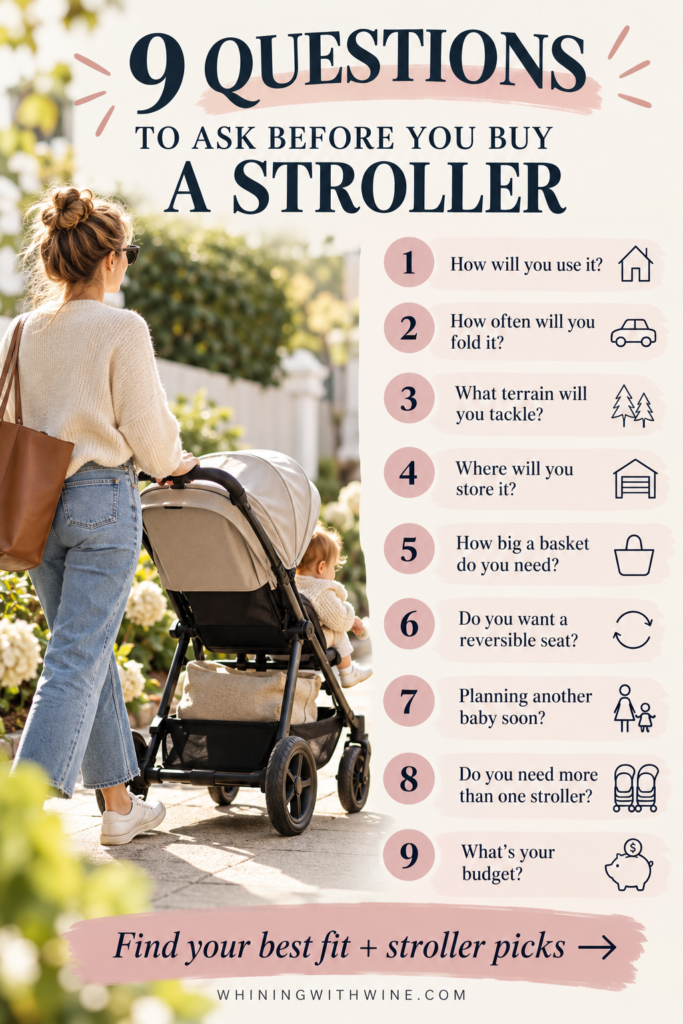
You are about to pick a stroller too. These are the nine questions that actually matter before you commit.
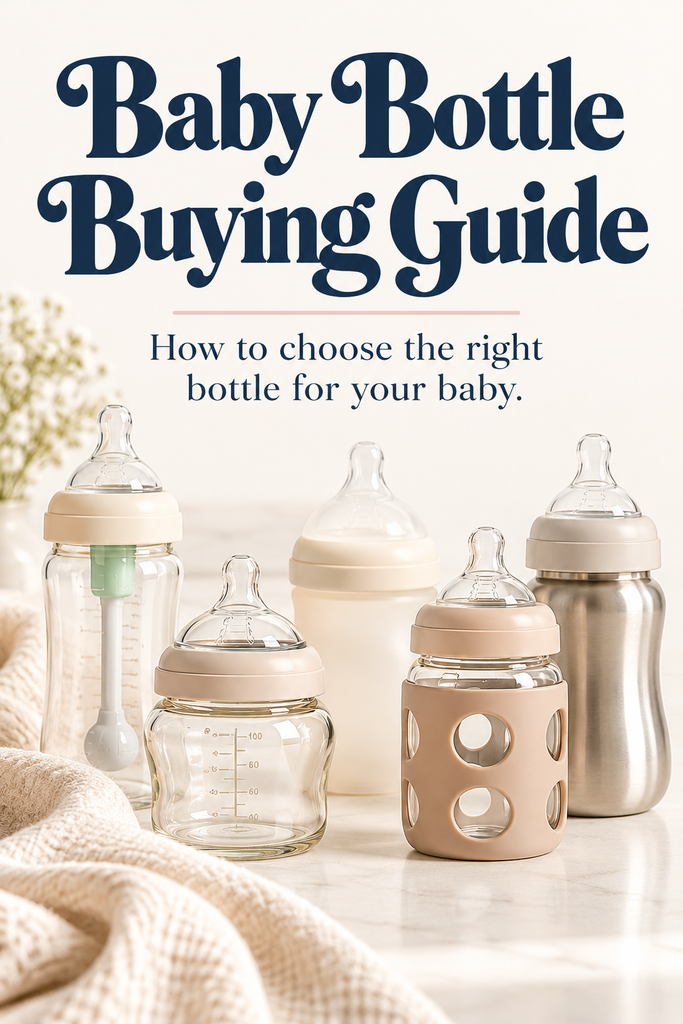
Bottles are weirdly complicated. Here is how to choose one without buying six brands first.
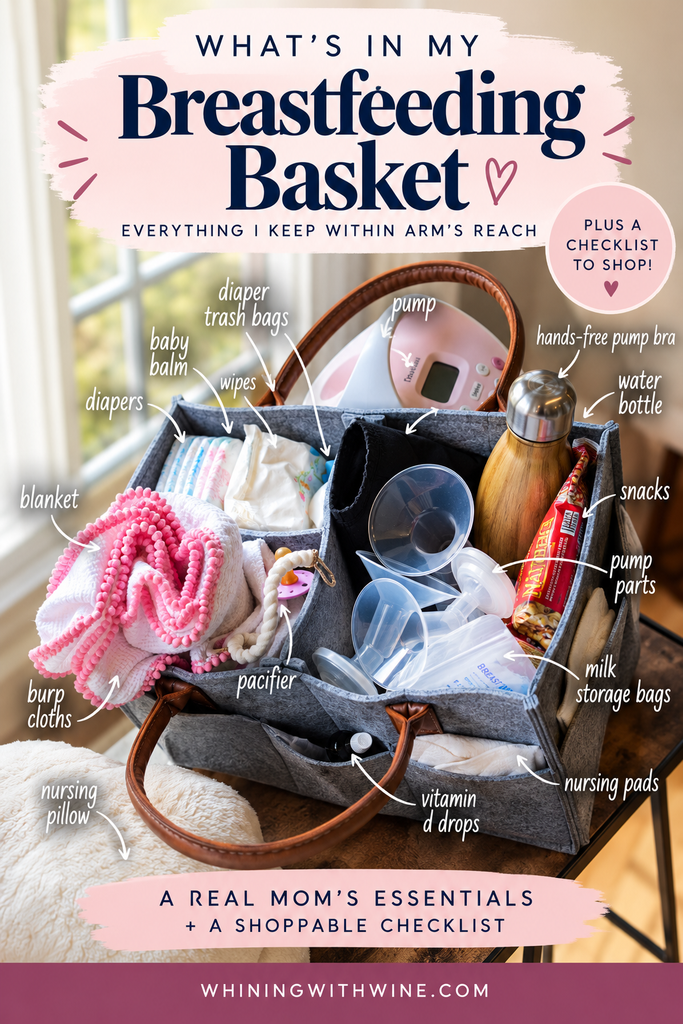
One station with everything in arm’s reach, so you are not hunting for burp cloths at 3am.