This post contains affiliate links. If you buy through them, I may earn a small commission at no extra cost to you. As an Amazon Associate I earn from qualifying purchases.

Last updated October 2026.
Breastfeeding can be incredibly rewarding, but let’s be honest, it isn’t always easy. A lot of new moms are surprised by the challenges, from latch issues to low supply and everything in between. I breastfed three kids for a year each (one while working full-time, two while home), and I learned a lot along the way, including how much stuff you really don’t need.
So I’ve split this list into three groups: what I’d get before baby comes, what’s really nice to have, and what some moms love but you can wait on. Truthfully, nothing here is a true must-have. But the right breastfeeding essentials (and the right help) make it a whole lot easier.
Breastfeeding Essentials at a Glance
Short on time? Here’s what I’d buy before baby arrives:
- Double electric pump (check your insurance first)
- Nursing tank
- Nursing pads: Lansinoh Stay Dry Nursing Pads
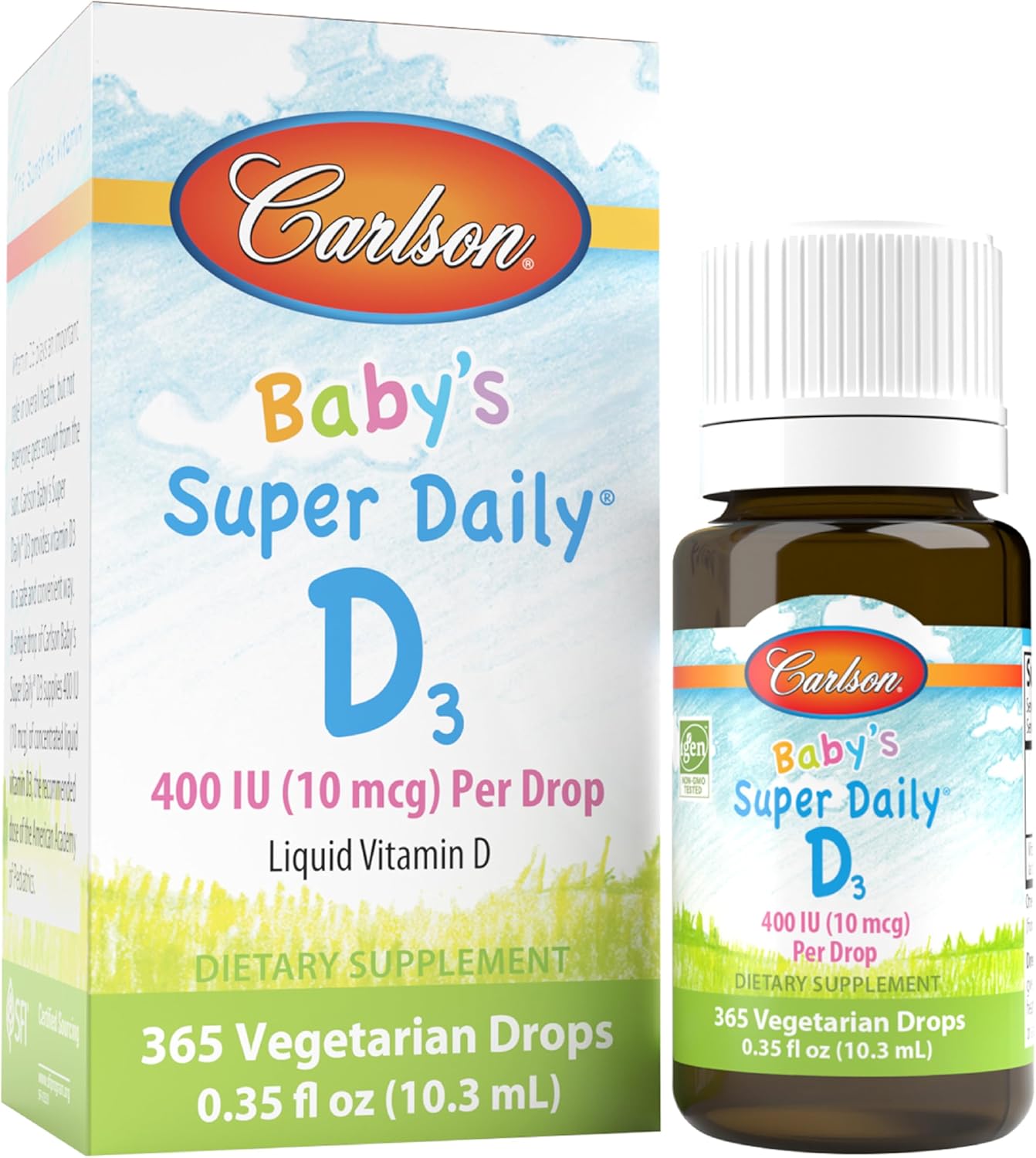
- Vitamin D drops
- Hands-free pumping bra
- Milk storage bags: Breastmilk Storage Bags
Get Before Baby: The Closest Thing to Must-Haves
These are the things I’d have in the house before your due date. If you’re not planning to pump, you can skip the pumping bra and storage bags.
Breast Pump
If you plan to breastfeed at all, get a pump through insurance! Most US health plans cover one. Some let you order in the third trimester and others make you wait until closer to your due date, so call early to see which pumps your plan covers.
- Spectra S2 Plus: The one I used for months. It’s quieter than most, has strong suction, a built-in timer, and a closed system that’s easier to keep clean. It plugs into the wall. Spectra parts can be harder to find in stores, so some moms add these adapters to use Medela flanges.
- Spectra S1 Plus: Same pump as the S2 but with a rechargeable battery, so you can move around. A little heavier and a little pricier. If I did it again, I’d get the S1.
- Medela Pump in Style Pro: Popular pick. Medela’s newest version of the classic Pump in Style. Medela parts are everywhere, which is handy if you forget something at the office.
Struggling with supply? Renting a hospital-grade pump can help you build it back up. Ask your hospital’s lactation department about rentals. I know moms who rented one to keep at the office and used their insurance pump at home. Not hauling a pump back and forth every day is a luxury, but if you can swing it, do it!
Nursing Bras and Tanks

Nursing tanks are perfect for the hospital and the early days at home since they cover your postpartum belly and give easy access. Nursing bras are for everyday wear once you’re out and about. Bravado is top-tier but pricey (and can run tight if you have a wider ribcage). Target, H&M, and Gap all have good budget options.
- Kindred Bravely Racerback Nursing Tank: Popular pick. Soft, supportive, and easy to nurse in.
- Kindred Bravely Simply Sublime Nursing Bra: Popular pick. Wireless, stretchy, and comfortable as your size changes.
Nursing Pads

Leaks happen. Your milk usually comes in a day or two after you get home from the hospital, and that’s when you’ll leak the most, so have these ready. I liked disposables for my purse and diaper bag, plus washable ones for home.
- Lansinoh Stay Dry Nursing Pads: Disposable, thin, and super absorbent.
- Bamboobies Reusable Nursing Pads: Washable, soft, and come with overnight pads.
Vitamin D Drops
The American Academy of Pediatrics recommends that breastfed and partially breastfed babies get 400 IU of vitamin D every day, starting in the first few days of life. Most Vitamin D drops are just one drop a day, which makes it easy. Check with your pediatrician on what’s right for your baby.
A Lactation Consultant (IBCLC)
Not a product, but honestly the most important thing on this list. Most doctors have very little breastfeeding training. An IBCLC (International Board Certified Lactation Consultant) is the real expert.
- Why? Breastfeeding is hard at first. A lactation consultant can troubleshoot latch issues, supply concerns, and pain.
- When? In the hospital, before you go home. Insurance often covers it.
- Worth it? Absolutely. Many moms who skipped it struggled and wished they hadn’t. It’s one of the biggest lessons I learned.
If You’re Pumping: Hands-Free Pumping Bra
If you’ll be pumping regularly, this one is as close to a must as it gets. It’s the only way to do anything else while you pump, which is a big deal if you’re working. I bought two (one for home, one for work) and it was worth every penny.
| An all-in-one you can wear all day for nursing and pumping. It feels more like a regular bra (and less like a milk machine!). Get your correct size. | Popular pick. A soft, budget-friendly all-in-one. | Adjustable, basically one size fits all, and slips on over your nursing bra. |


If You’re Pumping: Milk Storage Bags
- Lansinoh Breastmilk Storage Bags: Affordable, strong double zipper seal, and great for freezing. My go-to.
- Kiinde Twist System: Pump, store, and feed from the same pouch. Less transferring means less spilled milk.
- Medela Easy Pour Bags: Convenient if you have a Medela pump, and the newer version has a pour spout.

Pro tip #1: Freeze bags flat. They stack like files and thaw faster.
Pro tip #2: When pouring milk from a bag into a bottle, use a pump flange as a funnel so you don’t lose a drop.
Really Nice to Have
You can absolutely get by without these, but they make life easier, and most moms I know were glad they had them.
Nursing Pillow
A nursing pillow makes it easier to get a comfortable latch, especially in the early weeks when you’re feeding around the clock. A lot of moms like having one on each level of the house.
- Boppy Nursing Pillow: A versatile, budget-friendly pick. I used mine for breastfeeding, then later to prop the babies up for tummy time and while they learned to sit. The covers are cute too, and you can find even more on Etsy.
- My Brest Friend: More structured support that wraps around your waist. I never tried this one, but plenty of moms who used both say My Brest Friend is better for the first month or two with a tiny newborn, and the Boppy is better after that.


Haakaa
The Haakaa suctions to one side while baby feeds on the other and catches your letdown. Use it during morning feeds when you’re fullest and you’ll catch a lot. I regret waiting until my baby was several weeks old to start! It also works as a manual pump, so with baby #3 I skipped a manual pump completely. If you have older kids who might knock it over, get the version with a suction base and lid.

A Couple of Bottles
Even if you’re exclusively breastfeeding, having a bottle or two on hand is helpful. Check out my Baby Bottle Buying Guide for tips on materials, nipple flow, and venting.
Waterproof Mattress Protector

You will leak in your sleep in the early weeks (and baby will spit up on your bed at some point). Without a protector, it soaks into your mattress. With a waterproof mattress protector, you just toss it in the wash.
Nipple Cream

Some soreness is normal at first, even with a great latch, and a good nipple cream can help. If the pain is intense or making you want to stop, please see a lactation consultant instead of just reaching for cream. I check everything against the EWG Skin Deep database, and these are my picks:
- Earth Mama Organic Nipple Butter: Lanolin-free, organic, and safe for baby, so there’s no need to wipe it off before feeding.
- Lansinoh Organic Nipple Butter: Another lanolin-free option from a brand most moms already trust.
Nursing Cover
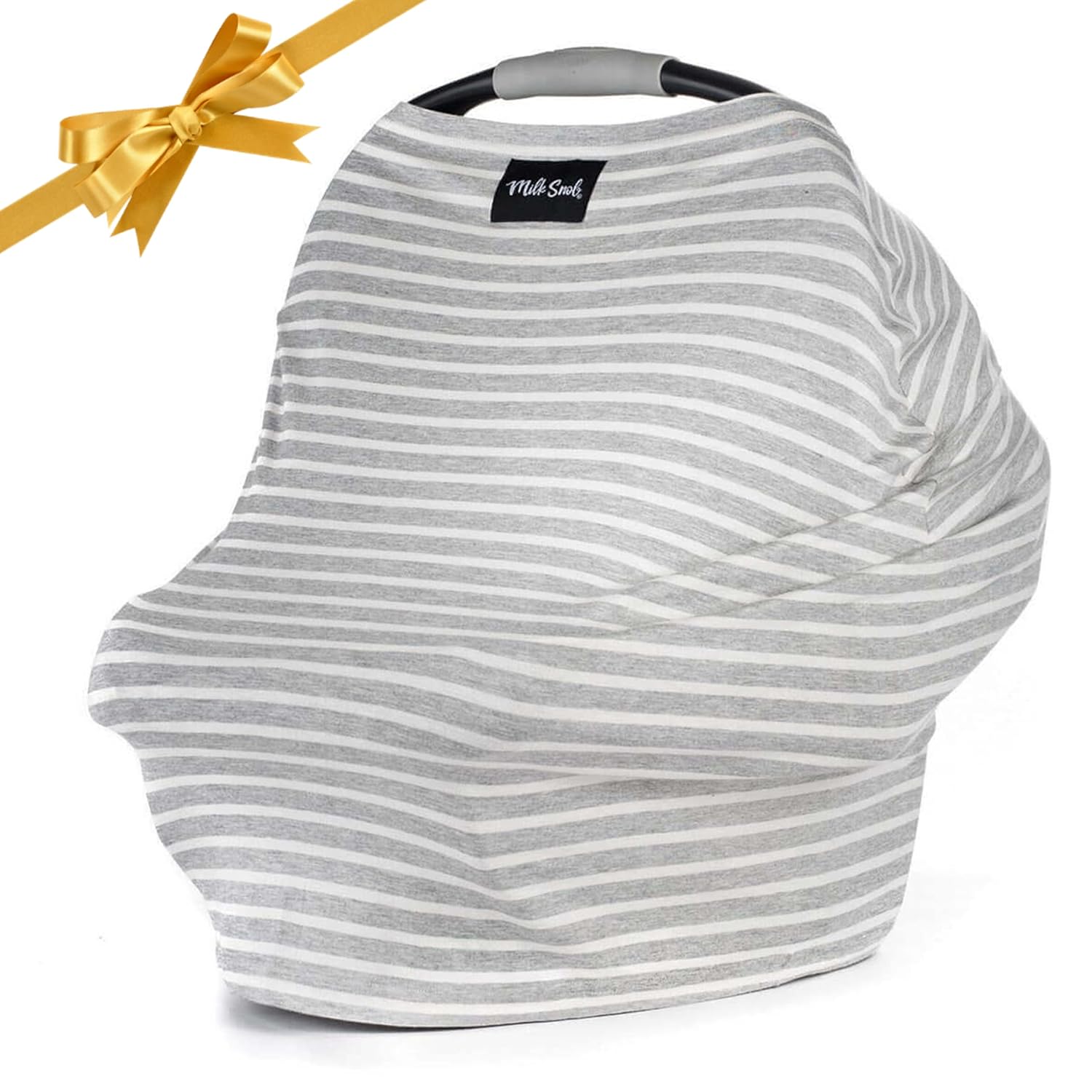
If you plan to nurse in public, a nursing cover can help you feel more comfortable. I know people who use muslin blankets, but a real nursing cover stays in place, gives you privacy, and lets you peek at the baby.
- Milk Snob 5-in-1 Cover: Works as a nursing cover, car seat cover, shopping cart cover, and more, so it earns its spot in the diaper bag.
Some Moms Love (Wait and See)
These are great for the right person, but I’d wait to see if you actually need them. Amazon ships fast, so there’s no reason to stock up ahead of time.
Wearable Pump
Wearable pumps have exploded since I was pumping. Back then I used a small battery pump with my hands-free bra so I could pump in the car, while traveling, or walking around the kitchen, and it was a lifesaver. The tradeoff then and now: smaller pumps usually don’t empty as well as a full-size double electric. They’re great as a second pump, but if you rely on one exclusively, watch your supply. These are what moms are buying now:


- Momcozy M5: Popular pick. The best-selling budget wearable. Fits in your bra and controls from an app.
- Willow Go: Popular pick. Quiet, discreet, and a favorite with working moms.
- Elvie Stride: Popular pick. Hands-free cups with a small motor that clips to your waistband.
Manual Pump
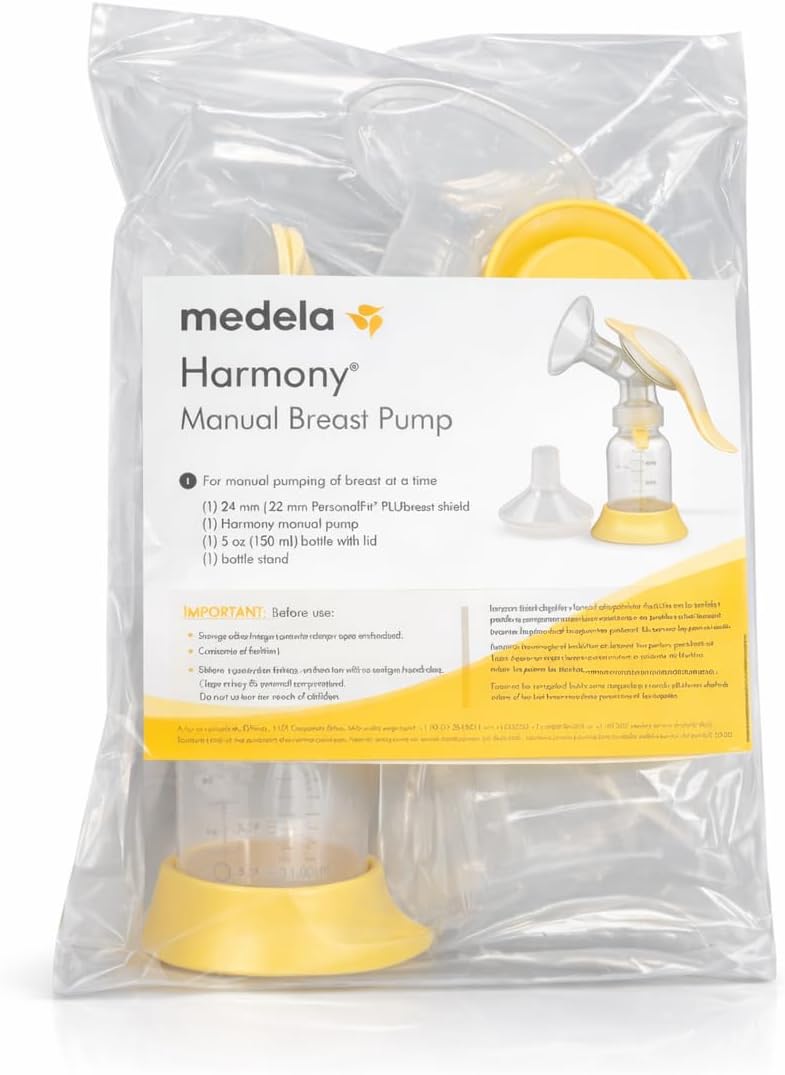
The Medela Harmony is a great manual pump to keep in your purse for quick relief. I liked having one with my first two, but a Haakaa covers most of the same job.
Gel Pads and Silverettes


If you’re really sore in the early days, Ameda ComfortGel Hydrogel Pads are cooling and soothing. Silverette Nursing Cups are a pricier alternative that lots of moms swear by for sore, cracked nipples.
Haakaa Ladybug

If you leak a lot and want to save that milk, the Haakaa Ladybug Milk Collector sits in your bra and catches it.
Quick Clean Steam Bags

Medela Quick Clean Micro-Steam Bags: add water, microwave, and your pump parts are sanitized. Great if you travel or pump away from home a lot.
Breastfeeding Essentials FAQ
Honestly, not much. Before baby, I’d get a breast pump through insurance, nursing bras or tanks, nursing pads, and vitamin D drops, and line up a lactation consultant. If you’ll be pumping, add a hands-free pumping bra and milk storage bags. Everything else can wait.
Have the basics before baby arrives, and order your insurance pump during your third trimester if your plan allows it. Wait on extras like a wearable pump, gel pads, or a manual pump until you know your routine.
Most US health plans cover a breast pump. Coverage, pump options, and when you can order vary by plan, so call your insurance company or a pump supplier a few months before your due date.
Not necessarily. Some soreness in the first week or two is normal, and many moms do fine without cream. If you’re in a lot of pain, see a lactation consultant, since pain is usually a latch issue.
They’re great as a second pump for work, travel, or running around. Most don’t empty as well as a full-size double electric, so if you rely on one exclusively, keep an eye on your supply.
Final Thoughts on Breastfeeding Essentials
Breastfeeding looks different for every mom. Whether you nurse exclusively, pump full-time, or supplement with formula, the most important thing is feeding your baby in a way that works for you. Start with the basics, get help early, and add the rest only if you need it.
💡 Looking for more must-haves for your baby registry? Check out my Ultimate Baby Registry Guide for everything you’ll need!
Other Breastfeeding Related Posts


Continue to Medicine Cabinet & Baby Care Needs»